2026-10-10 ·
Hail Damage vs. Normal Wear: How to Tell the Difference
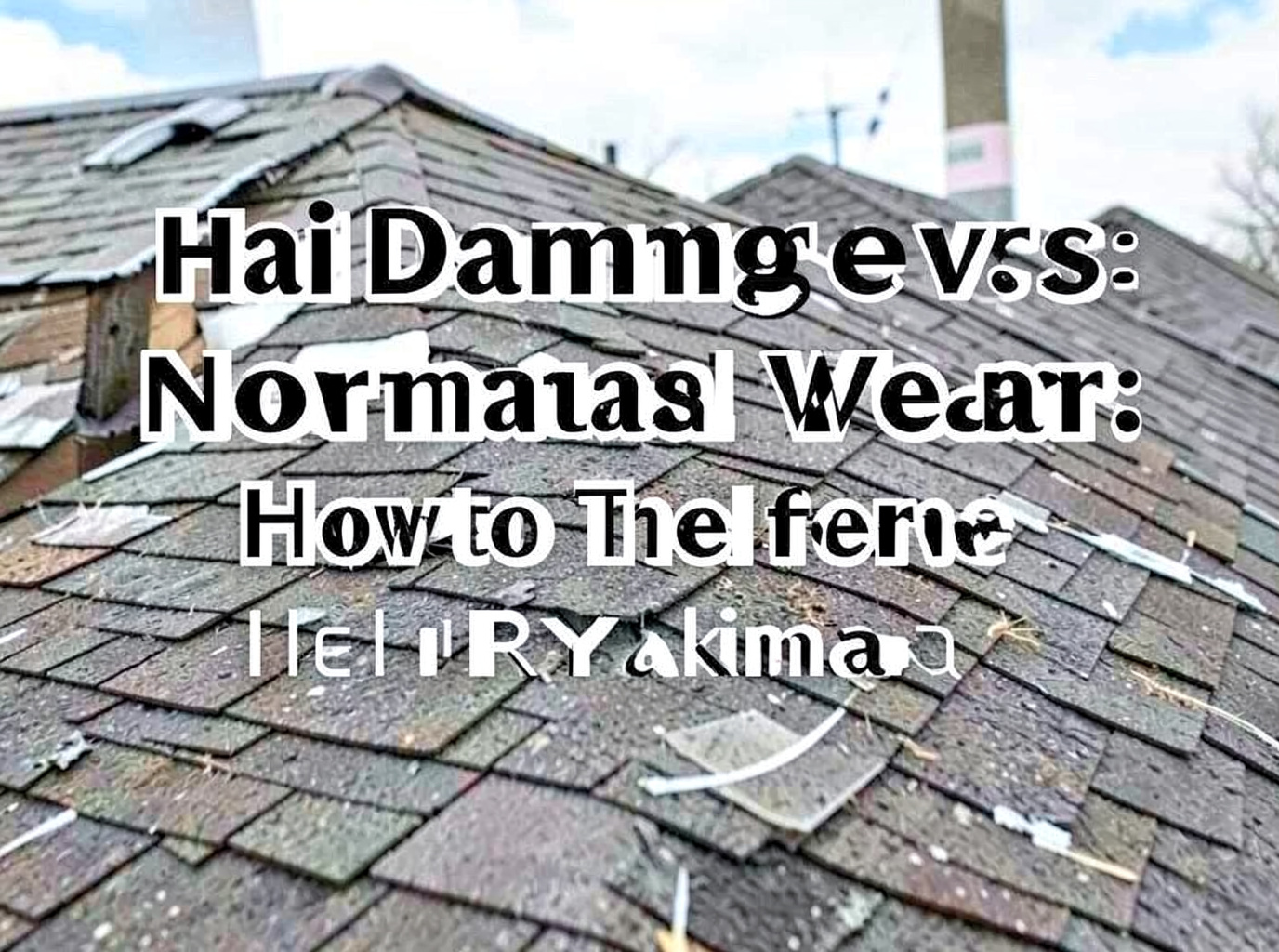
Hail damage shows up as scattered circular dents with missing granules in concentrated spots, while normal wear produces uniform fading, curling edges, and thinning across the full roof surface after consistent exposure to Yakima Valley conditions.
Spotting Hail Damage Patterns
Hail impacts leave distinct round craters or bruises on asphalt shingles that do not follow the natural grain of the material. These marks often cluster on south-facing slopes where storms approach from the Yakima River corridor. In neighborhoods like Downtown Yakima and East Yakima, inspectors find granule piles in gutters right after spring or summer events because hail knocks loose the protective coating in patches rather than across entire courses. Cold winters compound the issue when freeze-thaw cycles widen those dents into cracks. Homeowners in Terrace Heights notice the difference when one slope shows fresh damage while the rest of the roof retains its original texture. Checking during daylight from ground level with binoculars reveals the random spacing that separates storm hits from everyday aging.
Recognizing Normal Wear in Local Conditions
Normal wear develops gradually as Yakima's hot dry summers bake shingles and cold winters cause expansion and contraction. Shingles lose flexibility after repeated temperature swings, leading to cupping and loss of granules in a consistent pattern across all exposures. Roofs in West Valley and Selah often show this even breakdown on homes built decades ago where the entire surface ages at the same rate. Wind from the valley floor adds to edge lifting without creating the round bruises hail produces. Checking attic insulation for moisture spots helps confirm whether leaks stem from widespread thinning rather than isolated hits. Seasonal checks during the transition from summer heat to winter freeze reveal how uniform the surface has become.
Local Climate Effects on Both Types of Damage
Yakima County experiences wide temperature swings that speed shingle drying in summer and ice formation in winter, yet these conditions affect hail marks and normal wear differently. Hail arrives suddenly during thunderstorms and leaves immediate visual evidence, while normal wear accumulates over years of sun and freeze cycles common from Union Gap to Sunnyside. Metal components around vents expand and contract more in the valley's dry air, creating small gaps that mimic hail dents but appear only at seams. Residents near Miller Park or the Yakima Valley Museum see roofs with mixed exposures age faster on west sides due to afternoon sun. Linking storm events to visible changes requires noting the date of any recent weather rather than assuming uniform aging.
Next Steps After Identifying the Cause
Document random versus uniform patterns with dated photos before contacting a local crew. Compare recent storm dates against the timeline of visible changes to separate hail from gradual wear. Yakima Roof & Leak Pros operates Mon–Fri 8am–6pm and Sat 9am–2pm from Yakima to handle inspections in Fruitvale and surrounding areas. Review the Yakima Seasonal Roof Maintenance Checklist for ongoing monitoring steps. When patterns suggest storm involvement, schedule a storm damage roof repair assessment to confirm scope without delay.