2026-10-10 ·
How Wildfire Winds Damage Roofs in Yakima
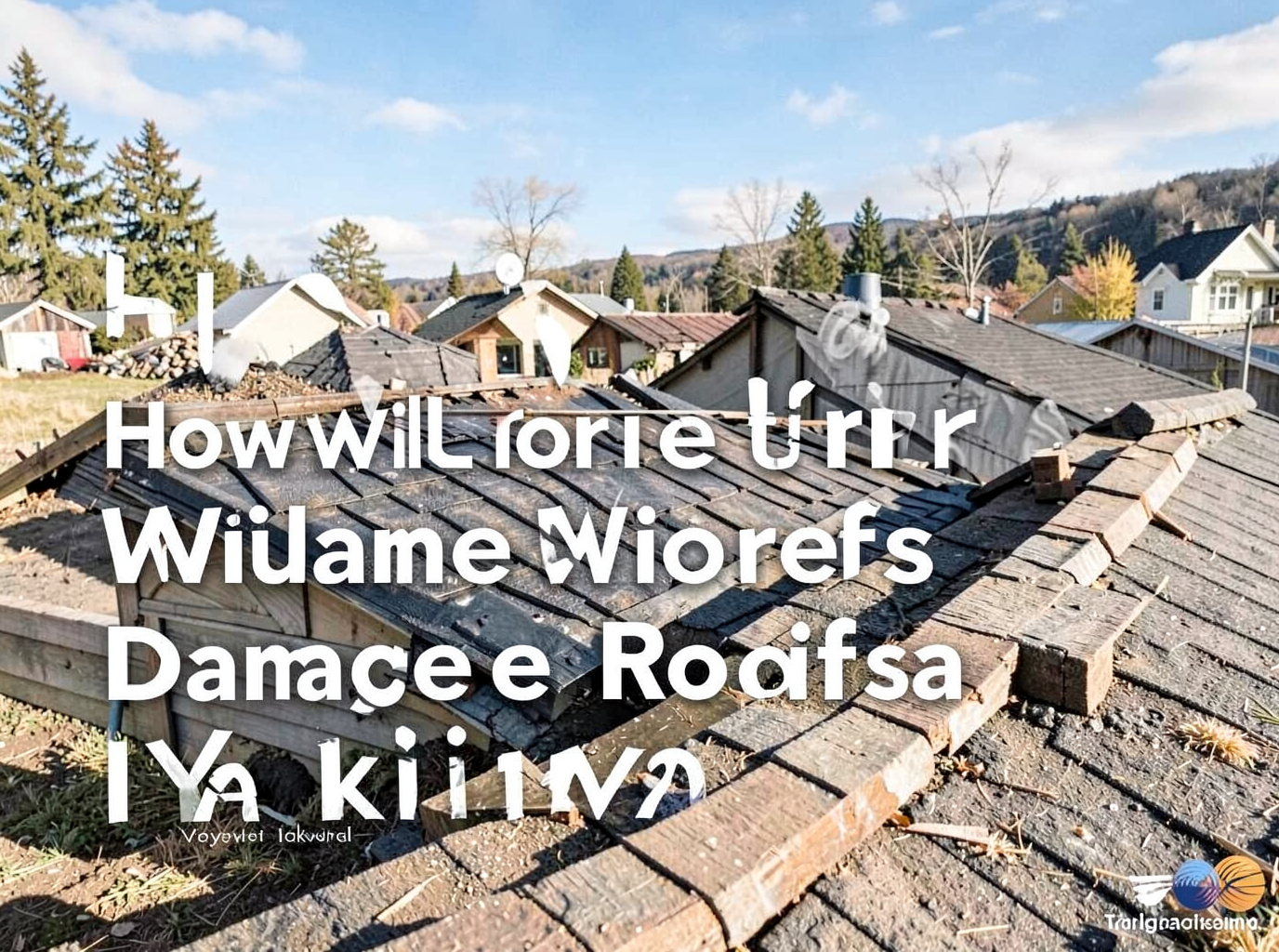
Wildfire winds in Yakima County damage roofs primarily by lifting asphalt shingles at gusts above 35 mph and forcing pine needles plus small branches under the edges, which creates entry points for water once rain returns after dry summer periods.
Wind Patterns During Wildfire Season in the Yakima Valley
Hot dry summers in the Yakima Valley bring gusty winds that funnel through the river corridor and across open fields near Terrace Heights and West Valley. These winds often reach 40 to 60 mph during active fire events and carry embers that land on older composition roofs common in homes built before 1990. In neighborhoods like Downtown Yakima and East Yakima the flat terrain lets winds accelerate without tree breaks, while properties closer to the Yakima River see extra debris from cottonwood and willow stands. Cold winters that follow can then freeze any moisture that entered during fall rains, widening small gaps created by the wind event. Homeowners in Selah and Union Gap report similar patterns on south-facing slopes where afternoon winds hit hardest.
How Winds Lift Shingles and Drive Debris on Local Roofs
Asphalt shingles on homes throughout Yakima County lose their seal tabs when sustained winds exceed 35 mph, allowing the leading edge to curl upward. Once lifted, pine needles and gravel from nearby driveways work under the shingle layers and stay trapped because summer heat softens the adhesive. In West Valley and Sunnyside the combination of open fields and older 3-tab shingles makes this damage more common than on newer architectural shingles. The debris then acts like a wedge during the next wind event, preventing the shingle from resealing. Over time the repeated flexing cracks the fiberglass mat inside the shingle, turning a wind issue into a permanent leak path. Metal flashing around vents and chimneys also bends under the same gusts, especially on homes in Terrace Heights where exposure is higher.
Why These Damage Points Turn into Roof Leak Repair Needs
The first measurable rain after wildfire winds often reveals leaks within 48 hours because the debris holds moisture against the underlayment. In Yakima County homes the 15-pound felt underlayment common on pre-2000 roofs deteriorates faster once punctured by wind-driven grit. Residents in Fruitvale and South Broadway notice stains on ceilings in upstairs bedrooms first because those areas sit under the steepest roof planes. The cold winters then expand any water that reached the decking, creating larger openings by spring. Checking for lifted shingles and embedded debris right after high-wind days prevents the small entry points from becoming full roof leak repair jobs later.
Practical Steps After Wildfire Winds Hit Yakima Homes
Start by walking the perimeter on a calm day and look for shingles that no longer lie flat or show fresh granule loss along the edges. Use binoculars to inspect ridge lines and valleys where wind funnels debris most. Note any displaced ridge cap shingles, which are frequent on homes in Naches and Tieton. Document the locations with photos before calling for an inspection. If rain is forecast within 48 hours, temporary tarping over the affected sections can limit interior water damage until permanent work begins. Seasonal checks after summer wind events catch these issues before they compound with winter freeze-thaw cycles.
For ongoing protection, follow the guidance in the Yakima Seasonal Roof Maintenance Checklist and schedule a professional review after any reported wildfire wind event. When leaks appear, prompt attention through Emergency Roof Leak Repair or targeted Wind Damage Roof Repair keeps small wind-driven openings from affecting the entire roof deck.